
Our Resilience

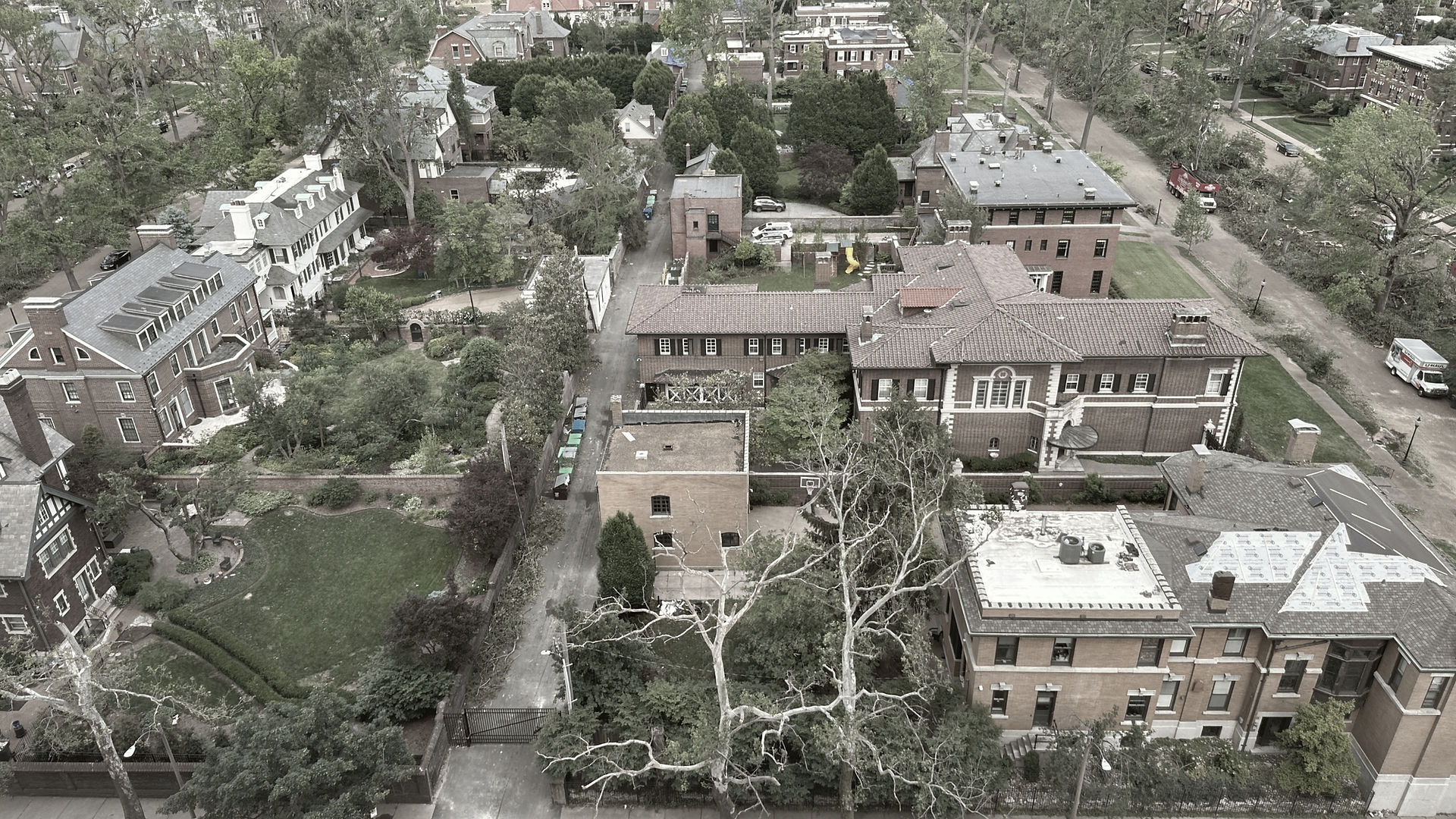
The past year was both challenging and clarifying—for our communities, for the construction industry, and for those of us committed to equity, accountability, and excellence. The May 16th tornado did more than damage buildings; it exposed truths that many of us have long understood but were once easier to ignore. It revealed deteriorating infrastructure, institutional neglect, and the enduring consequences of redlining and disinvestment in Black neighborhoods across our city.

Yet, in the face of crisis, our community did what it has always done—we rose.
Without direction, recognition, or meaningful support from city leadership, Black contractors, tradespeople, and residents mobilized. We volunteered our time, equipment, and expertise. We showed up with boots on the ground and solutions in hand, not because we were instructed to, but because our communities needed us. We rebuilt homes, stabilized families, and restored dignity—often without acknowledgement, compensation, or protection.
What followed was equally revealing.
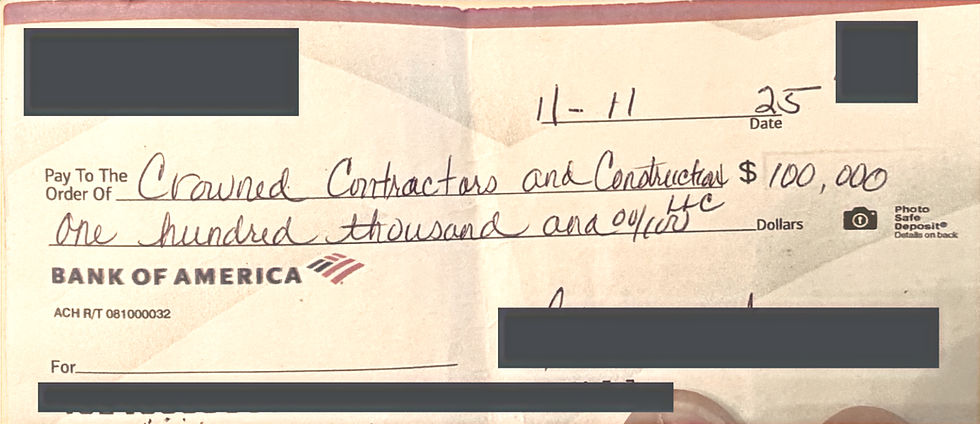
Despite qualifications, credentials, and proven capacity, Black-owned construction companies—particularly Black women–owned firms—were systematically excluded from city-awarded contracts. Promises of equitable participation in disaster recovery were quietly abandoned. Million-dollar rebuilding opportunities were routed to large, white-dominated firms with no meaningful minority participation requirements or enforcement, while local Black contractors were sidelined in the very neighborhoods we live in and serve.
We watched as prevailing wages were paid to crews with no ties to our communities, while our own skilled and experienced workers were offered “opportunities” that undervalued their labor and expertise. We were told to register, to comply, to wait—only to be overlooked once again.

This is not an accident. It is a pattern.
And still—we built.
We learned that we do not need permission to be excellent. We delivered professional, high-quality work. We built trust with homeowners. We strengthened relationships. We repaired structures and, just as importantly, restored hope. We proved—again—that Black contractors are not a risk to be managed, but a solution to be invested in.
This year taught us another critical lesson: representation without accountability is not progress. Titles, positions, and accolades mean little if they do not translate into protection, advocacy, and material change for our people. Equity cannot be symbolic. It must be enforced.
Let this be clear: we are aware of where the system failed us. We are aware of who remained silent. And we are equally aware of our own power.
The future we are working toward will require participation from all of us—contractors, residents, advocates, and leaders willing to act with courage. It will require demanding transparency, enforcing equity, and building economic pathways that keep wealth circulating within our communities.
We are not waiting to be included.
We are building what was denied.
And we are shaping a future where Black excellence is not the exception—but the standard.
Crowned remains committed to that work. The next chapter is not just about rebuilding structures—it is about rebuilding systems. And this time, we will be at the table, on the ground, and in the rooms where decisions are made.
Together, we move forward.
Chris Draper

Comments